Stay Safe in the High Country: A Mistake That Almost Cost Everything
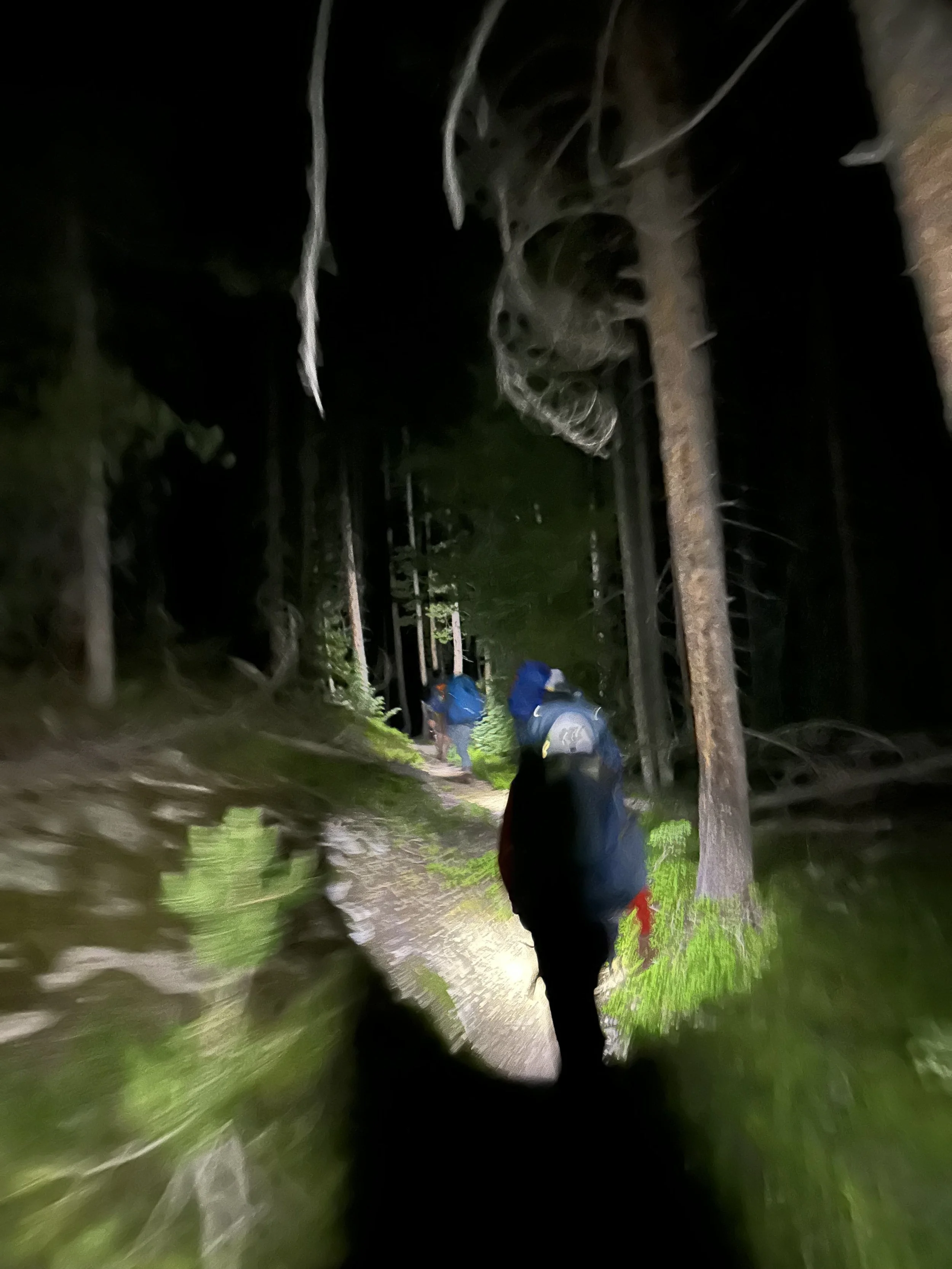
It was 2 PM on a July Saturday when Marcus left the trailhead in shorts, a t-shirt, and a backpack with a half-liter of water. The forecast said clear skies. He'd hiked to Crater Lake a dozen times—no big deal. But today he took a "shortcut" he'd seen on Instagram, veering off-trail toward a ridge he thought was correct by looking at pictures on his phone. By the time he realized the trail was just a game trail and had now disappeared, he'd burned over an hour and most of his water. His legs and lungs ached from the altitude he wasn't acclimated to. He tried backtracking, down through the loose scree and boulder field, but the terrain in the fading light looked “different”, with dead end game trails, loose boulders and into bogs that weren't obvious before. As he picked his way through, his phone buzzed: a weather alert.
Marcus was now at over 10,000 feet, dehydrated, cold in his t-shirt as the temperature plummeted, lost on unfamiliar terrain, and hearing thunder rolling in from the west. His hands shook, he had a raging headache, it was difficult to think clearly— the 40-degree air felt impossibly cold after the sunny morning. He tried to descend faster toward tree cover, but his legs were clumsy from altitude sickness and fear. A lightning flash lit up the ridge. The crack of thunder came maybe two seconds later. Panic took over. His phone was at 8% battery. In that moment, he realized no one knew exactly where he was. He'd never told anyone his route. With shaking hands, he hit the Emergency SOS button on his iPhone. The phone sent his GPS coordinates directly to Grand County Sheriff's Dispatch, then his phone died.
If his battery had died 60 seconds earlier, he would have been invisible—lost on in an unfamiliar area in a thunderstorm with no communication, no one knowing where to find him, and no way to call for help. Instead, Grand County Search and Rescue received his SOS coordinates and found him within 2 hours, huddled under a small overhang, hypothermic, barfing and disoriented. Marcus survived because he had exactly enough phone battery at exactly the right moment. He was also extraordinarily lucky. One dead battery earlier and he would still be missing.
##While this is a fictional story, it outlines a frequent “what if” series of events##
What Marcus Didn't Know—Until It Almost Killed Him
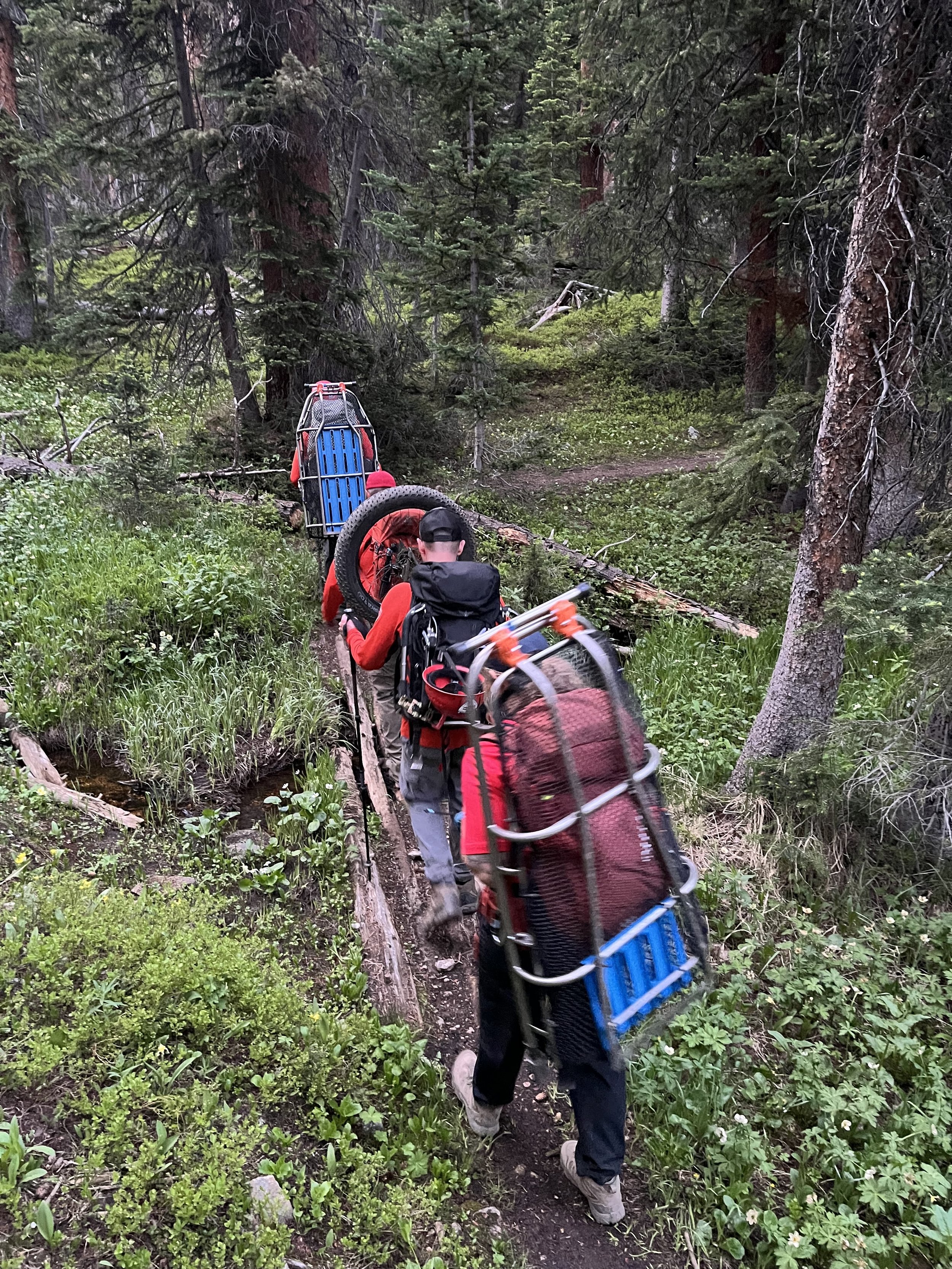
The Colorado backcountry is beautiful—and unforgiving. Every year, Grand County Search and Rescue responds to incidents that could have been prevented with proper preparation and awareness. Marcus's story plays out in different ways across Colorado every season. He survived, but not because he was prepared—he survived despite being profoundly unprepared. He got a second chance most people don't. Whether you're a seasoned hiker or venturing into the mountains for the first time, understanding the three most dangerous threats at elevation can keep you from becoming a statistic like the ones GCSAR responds to every season.
High Altitude: More Than Just Thin Air
Grand County's terrain ranges from 5,000 feet to over 13,000 feet, and your body notices the difference.
What happens at altitude:
Oxygen levels drop by roughly 50% above 10,000 feet
Your body burns calories faster trying to compensate
Dehydration happens faster (dry mountain air + increased breathing)
Your judgment can become impaired without realizing it
Altitude Sickness symptoms:
Headache, nausea, dizziness
Shortness of breath at rest
Fatigue out of proportion to effort
How to prevent it:
Ascend gradually — Spend time at intermediate elevations before pushing higher
Hydrate constantly — Drink 2–3 liters of water per day, more at altitude
Eat regularly — High-altitude activities burn 500+ extra calories daily
Acclimatize — If possible, spend a night at 8,000–9,000 feet before going higher
Know your limits — There's no shame in turning back
When to descend: If Altitude Sickness symptoms don't improve with rest and hydration, lose elevation immediately. Severe cases (confusion, lack of coordination) can progress to life-threatening pulmonary or cerebral edema. Don't wait.
Temperature: Colorado's Deceptive Danger
Summer in the high country can feel warm at midday—and dangerously cold by evening. Temperature drops roughly 3–5°F for every 1,000 feet of elevation gain.
Real scenario: A 75°F day at 7,000 feet becomes 55°F at 11,000 feet. Add wind chill and you're at serious hypothermia risk in t-shirt and shorts.
Hypothermia and frostbite dangers:
Hypothermia occurs when core body temperature drops below 95°F—and can happen in summer
Frostbite develops when skin freezes; fingers, toes, nose, and ears are most vulnerable
Both can incapacitate you before you realize what's happening
How to prevent it:
Dress in layers — Synthetic or wool (NOT cotton, which holds moisture)
Base layer: moisture-wicking
Mid layer: insulation (fleece, down)
Outer layer: wind and water resistant
Bright Colors so you can be seen
Bring a rain jacket — Even if the forecast looks clear
Cover extremities — Hat, gloves, good hiking socks
Plan for shorter daylight — Finish your hike before dark; you'll get cold sitting around
Eat and stay hydrated — Your body needs fuel to generate warmth
Warning signs of hypothermia:
Shivering, slurred speech, confusion
Loss of coordination
Paradoxical undressing (removing clothes despite being cold)
If someone shows these signs, get them to shelter, remove wet clothing, and call for help.
Lightning: The Strike You Don't See Coming
Colorado gets intense afternoon thunderstorms, especially June through September. Lightning kills and injures more people in Colorado than anywhere else in the U.S. relative to population.
High-altitude lightning facts:
Storms develop rapidly in the mountains—sometimes appearing from nowhere
Peaks and ridges attract lightning (you become the tallest object)
Lightning can strike from a storm 10+ miles away, even while it's sunny where you are
Direct strikes are rare, but ground current and side flashes are common
How to prevent lightning injury:
Start early and descend before afternoon — Most thunderstorms develop mid-afternoon
Watch the sky — If you hear thunder, you're in striking distance
Have an exit strategy — Know how to descend quickly if weather turns
Avoid ridges and isolated trees — Seek lower, dense forest if a storm approaches
Don't rely on weather apps alone — Mountain weather changes in minutes
If caught in a lightning storm:
Descend immediately if safe to do so
Avoid tall isolated objects (trees, peaks)
If you can't descend, crouch low (not lying flat) away from water
Stay off ridge tops and open areas
Separate from your group if possible—lightning can strike multiple people
After lightning: Even if someone seems fine, lightning injuries can cause internal burns and cardiac arrhythmia. Call 911 if anyone was struck or nearby.
The Golden Rule: Tell Someone Where You're Going
The most critical safety measure costs nothing: always leave a detailed trip plan with someone you trust.
Include:
Route and destination
Expected return time (add 1–2 hours for buffer)
Your phone number
Emergency contacts
If you don't return on time, they call search and rescue. This is how we find people.
When in Doubt, Call 911
Grand County Search and Rescue exists because the mountains are beautiful and dangerous. We respond to preventable incidents every season—twisted ankles, altitude sickness, exposure, and lightning strikes.
If you get into trouble:
Call 911 (it works in most areas; text if you can't call)
Activate your Personal Locator Beacon (PLB) or emergency SOS feature
Stay put and conserve your phone battery
Keep warm and hydrated
Before you go:
Tell someone your plans
Bring the 10 essentials (map, compass, water, food, layers, sun protection, first aid, knife, fire, shelter)
Download offline maps
Consider a Personal Locator Beacon for remote areas
The high country rewards preparation. Respect the elevation, dress for the cold, and get off peaks before storms arrive. Every smart decision you make reduces the chance we'll need to find you—and lets us help those who truly need us.
Hike smart. Come home safe.
Grand County Search and Rescue is a volunteer-based organization that relies entirely on donations to support its operations. To learn how you can support their mission, please visit www.GrandCountySAR.com. Media Contact: Grand County Search and Rescue PIO@GrandCountySAR.com